What is Hardware Product Development ?

Hardware Product Development Definition

Hardware product development is the process of designing, engineering, testing, manufacturing, and launching a physical product. It includes every stage of the product lifecycle, from the initial concept and requirements through prototyping, validation, production, and ongoing product improvements. Unlike software development, hardware product development involves physical components, supplier coordination, manufacturing processes, and quality controls that require careful planning and documentation.

What Are the Key Stages of Hardware Product Development?

The process typically begins with defining customer requirements and creating product concepts. Engineering teams then develop detailed designs, build prototypes, evaluate performance, and refine the product through multiple design iterations. As development progresses, manufacturers prepare bills of materials (BOMs), source components, qualify suppliers, conduct testing, and establish production processes before commercial release.

Why Is Cross-Functional Collaboration Important in Hardware Development?

Because physical products often contain mechanical, electrical, and software components, collaboration across multiple disciplines is essential. Design changes can affect manufacturing costs, supply chain availability, product performance, compliance, and delivery schedules. Maintaining accurate product records and controlling revisions helps teams avoid costly mistakes and reduces delays during production.

How Can Manufacturers Improve Hardware Product Development?

For startups and growing manufacturers, hardware product development requires balancing innovation with operational discipline. Well-defined engineering processes, structured documentation, supplier collaboration, and controlled change management help organizations bring products to market more efficiently while improving product quality and reducing development risk. As products become more complex, centralized product information becomes increasingly valuable for maintaining visibility across the entire development process.

How Do PLM and QMS Improve Hardware Product Development?

Product lifecycle management (PLM) systems help organizations manage the engineering information required throughout hardware product development. Product requirements, bills of materials, CAD files, approved manufacturer parts, engineering changes, supplier information, and design revisions are maintained in a centralized environment, allowing teams to collaborate more effectively and reduce version control issues.

Why Are Quality Processes Essential During Product Development?

Quality management system (QMS) processes help ensure products meet customer, regulatory, and manufacturing requirements before and after production begins. Document control, corrective and preventive actions (CAPAs), nonconformance management, supplier quality, audit readiness, and change management support consistent product quality throughout the development lifecycle.

When PLM and QMS are connected, engineering and quality teams work from a shared source of truth. This improves traceability, streamlines collaboration, strengthens change control, reduces rework, and helps manufacturers move more efficiently from product design to full-scale production.
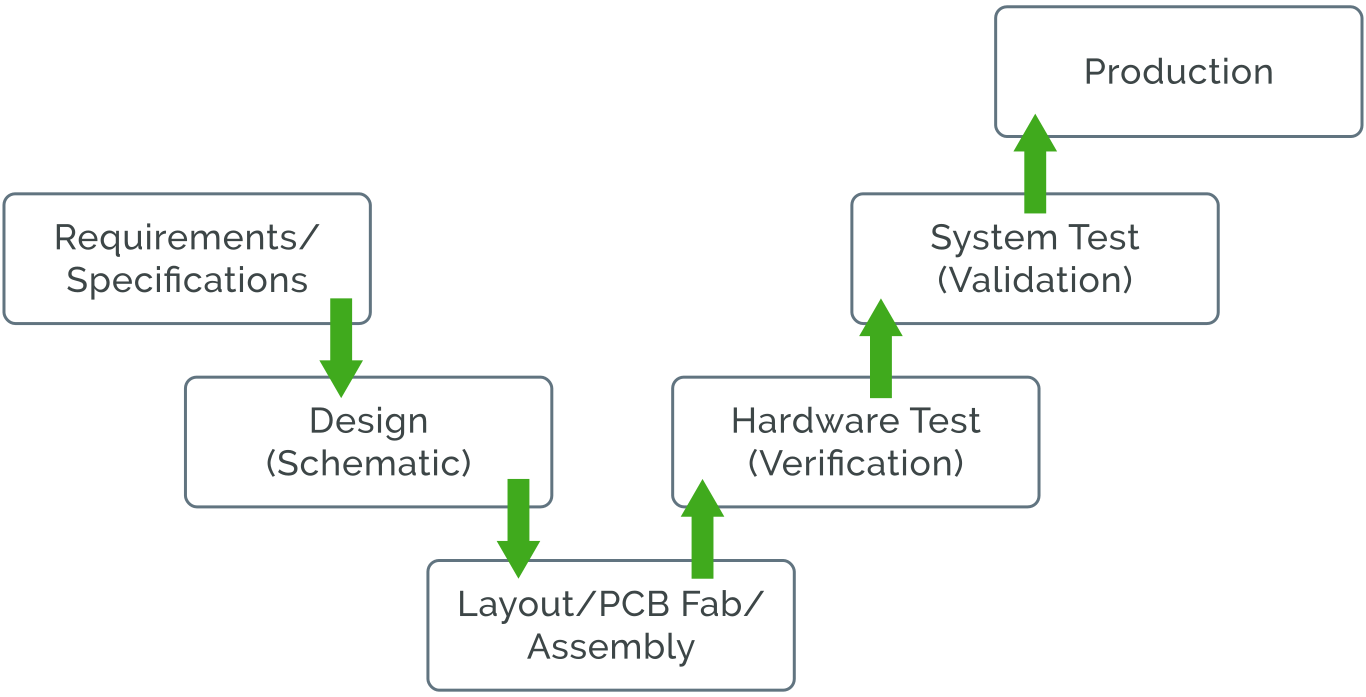
What is Hardware Product Development

Frequently Asked Questions

What is hardware product development?

Hardware product development is the end-to-end process of designing, testing, manufacturing, launching, and improving physical products throughout their lifecycle.

What are the main stages of hardware product development?

Typical stages include concept development, product requirements, engineering design, prototyping, testing, supplier selection, manufacturing preparation, production, and ongoing product improvements.

Why is change management important in hardware product development?

Engineering changes affect product performance, manufacturing processes, suppliers, costs, and compliance. Effective change management helps ensure revisions are reviewed, approved, documented, and communicated before implementation.

How do PLM and QMS support hardware product development?

PLM and QMS help manage product data, engineering changes, quality processes, supplier collaboration, compliance documentation, and product traceability, improving collaboration and supporting efficient product development and manufacturing.


Arena PLM and QMS Knowledge Hub

Product Development, Quality & Compliance

Cloud PLM & QMS Solution Capabilities & Benefits

Engineering, Manufacturing & Supplier Collaboration

Automation, Collaboration, and Control

PLM and QMS Improve Data Integrity, Traceability & Compliance

Data Integrity, Traceability, and Security

What is a Manufacturer

Common Questions About Arena PLM and QMS Solutions

Icon-PLM

Product Lifecycle Management

Arena PLM software streamlines product development so you can deliver products under budget and ahead of schedule.

Icon-QMS

Quality Management System

Arena QMS helps you ensure regulatory compliance and faster delivery of life-enhancing products to your customers.