What is a Hardware Startup?

Hardware Startup Definition

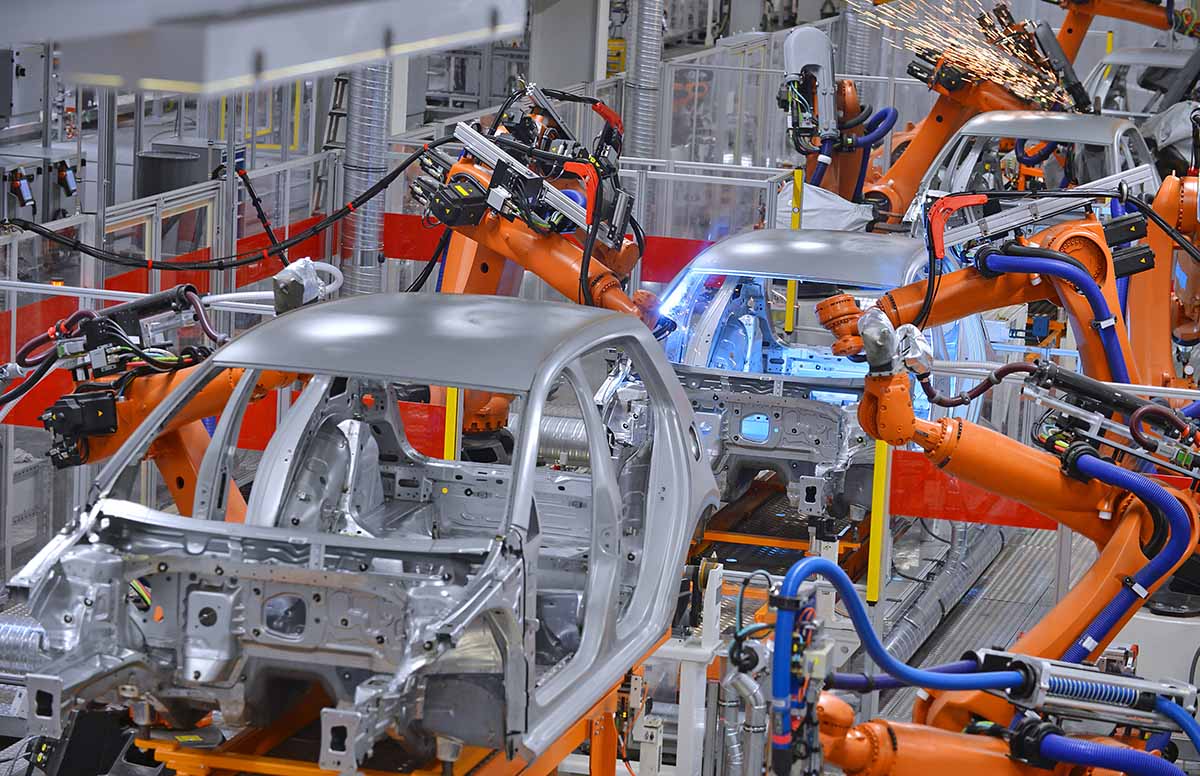
A hardware startup is a company that designs, develops, and commercializes physical products. Unlike software startups, which primarily deliver digital applications or services, hardware startups create products that require engineering, sourcing, manufacturing, testing, and ongoing product support. Examples include consumer electronics, medical devices, robotics, industrial equipment, wearable technology, semiconductors, smart home products, aerospace components, and Internet of Things (IoT) devices.

What Challenges Do Hardware Startups Face?

Hardware startups face unique challenges because every design decision can affect manufacturing costs, supply chain complexity, product quality, and time to market. Teams must manage product requirements, engineering drawings, bills of materials (BOMs), prototypes, component sourcing, supplier relationships, regulatory requirements, and production readiness while continuing to improve the product.

How Do Engineering Changes Impact Hardware Startups?

As products evolve, engineering changes become more frequent. Even small revisions to a component or assembly can impact inventory, manufacturing processes, supplier availability, certifications, and product costs. Maintaining accurate product information and controlling revisions becomes increasingly important as a startup moves from prototype to pilot production and eventually to full-scale manufacturing.

How Can Hardware Startups Scale Product Development?

Successful hardware startups often establish structured product development processes early. Centralized product data, documented engineering changes, controlled design revisions, and effective collaboration across engineering, operations, manufacturing, quality, and supply chain teams help reduce costly mistakes and speed new product development. These practices make it easier to scale production, respond to market changes, maintain product quality, and support future business growth.

What is Hardware Startup

How Do PLM and QMS Support Hardware Startups?

As hardware startups grow, managing product information across multiple teams becomes more complex. Product lifecycle management (PLM) systems help organize engineering data, bills of materials, approved manufacturer parts, product requirements, design files, supplier information, and engineering changes within a single environment. This improves collaboration while ensuring everyone works from current product information.

Why Are Quality Management System Processes Critical for Hardware Companies?

Building physical products requires consistent quality throughout design, manufacturing, and post-production. Quality management system (QMS) processes help startups manage document control, corrective and preventive actions (CAPAs), nonconformance management, supplier quality, complaint handling, and audit readiness. These capabilities reduce production issues while supporting regulatory compliance and continuous improvement.

When PLM and QMS work together, engineering and quality teams share a single source of truth for product and quality information. This improves traceability, streamlines change management, reduces manual processes, and helps hardware startups transition more efficiently from product development to commercial manufacturing.

Frequently Asked Questions

What is a hardware startup?

A hardware startup is a company that develops and sells physical products, such as electronics, medical devices, industrial equipment, robotics, or connected devices that require engineering and manufacturing.

How is a hardware startup different from a software startup?

Hardware startups must manage product design, sourcing, manufacturing, inventory, suppliers, and quality processes in addition to software development when applicable, making product commercialization more complex.

What are the biggest challenges for hardware startups?

Common challenges include product design changes, supplier management, manufacturing readiness, production costs, regulatory compliance, quality control, and scaling operations.

How do PLM and QMS help hardware startups?

PLM and QMS solutions help hardware startups organize product data, manage engineering changes, improve quality processes, strengthen supplier collaboration, maintain traceability, and prepare products for efficient manufacturing and long-term growth.

Arena PLM and QMS Knowledge Hub

Product Development, Quality & Compliance

Cloud PLM & QMS Solution Capabilities & Benefits

Engineering, Manufacturing & Supplier Collaboration

Automation, Collaboration, and Control

PLM and QMS Improve Data Integrity, Traceability & Compliance

Data Integrity, Traceability, and Security

What is a Manufacturer

Common Questions About Arena PLM and QMS Solutions

Icon-PLM

Product Lifecycle Management

Arena PLM software streamlines product development so you can deliver products under budget and ahead of schedule.

Icon-QMS

Quality Management System

Arena QMS helps you ensure regulatory compliance and faster delivery of life-enhancing products to your customers.