Browse apps and integrations that help maximize your investment in Arena.
Modern businesses depend on data from multiple systems to support product development, quality management, manufacturing, procurement, and customer operations. iPaaS enables seamless, real-time connection between these systems without extensive custom coding.
Without integration, teams may encounter:
iPaaS platforms help ensure information flows automatically between connected systems, improving efficiency and visibility.
An iPaaS platform acts as a bridge between applications. It uses connectors, APIs, workflows, and automation tools to move and synchronize information.
Common iPaaS functions include:
These capabilities allow organizations to create connected business processes across multiple software platforms.
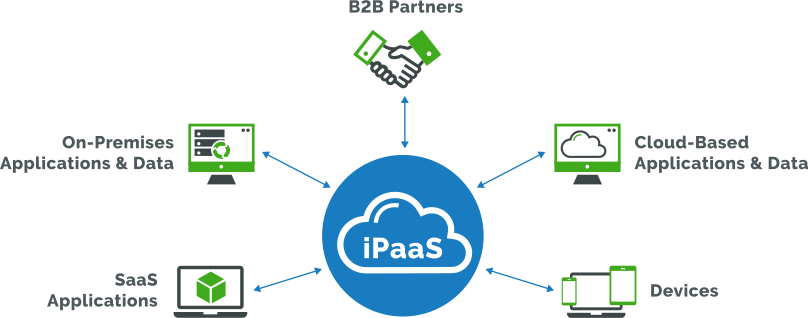
Many organizations use iPaaS to support digital transformation initiatives and improve operational efficiency.
Common examples include:
Automating information exchange reduces manual effort and improves data accuracy.
PLM and QMS systems serve as critical sources of product and quality information. Integrating these platforms with ERP, MES, CRM, and supplier systems helps create a connected digital environment.
iPaaS can support PLM and QMS initiatives by:
By connecting business systems through iPaaS, organizations can reduce information silos and improve collaboration throughout the product lifecycle.
iPaaS stands for Integration Platform as a Service. It is a cloud-based solution used to connect applications and automate data exchange.
Traditional integrations often require custom coding and ongoing maintenance. iPaaS platforms provide prebuilt tools and connectors that simplify integration management.
Yes. Many organizations use iPaaS to synchronize product information, bills of materials, engineering changes, and related records between PLM and ERP platforms.
iPaaS helps organizations connect disconnected systems and automate workflows. This improves data visibility, efficiency, and collaboration across the business.

Arena PLM software streamlines product development so you can deliver products under budget and ahead of schedule.
Arena QMS helps you ensure regulatory compliance and faster delivery of life-enhancing products to your customers.