A product development platform for life sciences should provide integrated PLM and QMS capabilities that support regulatory compliance, document control, change management, and end-to-end traceability. Key features include controlled document management, engineering change workflows, quality processes such as CAPA and nonconformance management, audit readiness, electronic signatures, training management, and secure data governance. The platform should also provide supplier collaboration, role-based access, and cloud scalability to support growing teams and evolving regulatory requirements. By connecting product and quality information in a single system, organizations can improve collaboration, reduce compliance risk, accelerate product development, and maintain complete visibility throughout the product lifecycle.
Life sciences companies face increasing pressure to innovate faster while meeting strict quality and compliance requirements. As products become more complex with the need to manage mechanical, electrical, software, and artificial intelligence (AI) components, disconnected systems and manual processes can make it harder to control information, manage risk, and stay audit-ready.
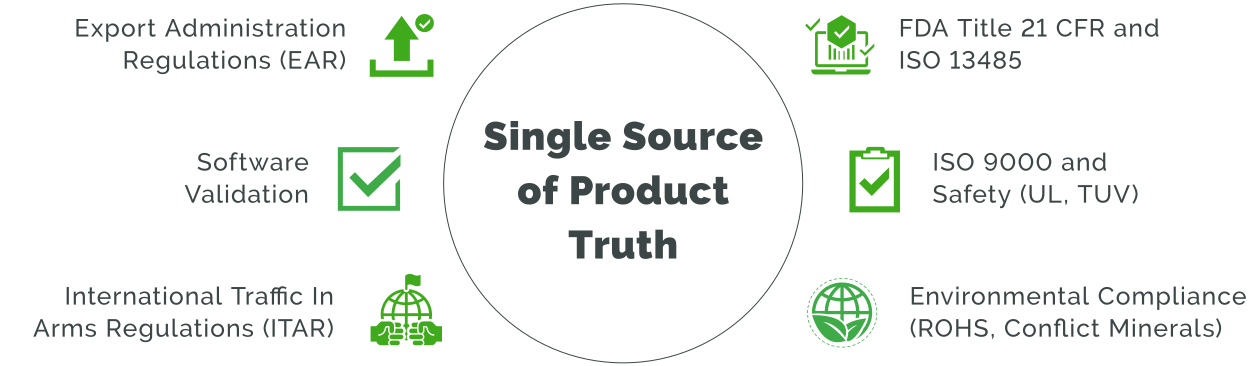
Life sciences teams need a single source of truth for product lifecycle management (PLM) and quality management system (QMS) processes. The right solution supports internal and external collaboration, streamlines change management, and provides visibility across the entire product lifecycle. A modern cloud solution purpose-built for life sciences companies, with connected product, quality, and compliance information, helps teams collaborate more effectively, manage changes with greater control, and gain the visibility needed to bring products to market faster while staying compliant.
For life sciences companies evaluating product development technology, several key capabilities should top the list.
Centralized product record management is one of the most important features of a life sciences product development platform.
Companies need a reliable way to manage:
A centralized solution ensures teams are working with the latest approved information. This reduces errors, eliminates duplicate records, and improves decision-making throughout product development and manufacturing. Strong product record management also supports traceability and regulatory compliance initiatives.
Product development in life sciences involves multiple stakeholders, such as engineering, quality, regulatory affairs, operations, manufacturing, supply chain, and executive leadership. Each team relies on accurate information to make decisions, manage risk, and ensure products meet both customer and regulatory requirements.
When critical information is stored in spreadsheets, emails, or disconnected applications, companies often struggle with version control, communication breakdowns, and limited visibility. A unified product development solution creates a single source of truth that keeps everyone aligned throughout the product lifecycle. This foundation improves collaboration while helping companies maintain control over product information and quality processes.
Change is inevitable in product development. Design improvements, supplier updates, regulatory changes, and quality findings all require organizations to manage changes in a controlled and documented manner.
An effective platform should include:
Structured change management helps teams understand the potential impact of modifications before implementation. It also creates a complete record of change activity that supports compliance and audit readiness. For life sciences companies, controlled change management is critical to maintaining product quality and regulatory compliance.

Life sciences companies generate large volumes of documentation throughout product development. Maintaining control over these records is essential for quality and compliance.
A product development platform should provide:
Document control ensures that employees, suppliers, and stakeholders always have access to current, approved information while maintaining a historical record of previous versions. Having this capability is particularly valuable during audits and regulatory inspections.
Traceability is a foundational requirement for many life sciences companies. Regulators expect companies to demonstrate how product requirements connect to design outputs, testing activities, risk assessments, and quality processes. Without effective traceability, gathering this information can become time-consuming and error prone. A strong product development platform should support traceability across the following areas:
End-to-end traceability provides greater visibility while helping organizations demonstrate compliance throughout the product lifecycle.
Quality should not operate separately from product development. Instead, quality processes should be integrated directly into development workflows.
Key quality management capabilities may include the following:
Connecting quality and product development information provides companies with a more comprehensive understanding of product performance and potential risks. With integration, collaboration improves between quality, engineering, and regulatory teams while supporting continuous improvement efforts.
Product development rarely happens within a single department. Success depends on collaboration between internal teams, suppliers, contract manufacturers, and strategic partners.
A modern platform should enable secure collaboration through the following:
Improved collaboration helps eliminate information silos and accelerates decision-making throughout the development process. Cloud-native access is particularly valuable for organizations with distributed teams and global supply chains.

Compliance is a top priority for life sciences organizations. A product development platform should help support compliance efforts without creating unnecessary administrative burdens.
Important compliance-focused features include:
These capabilities help organizations establish repeatable processes that improve consistency while reducing compliance risk. By embedding compliance into everyday workflows, organizations can improve efficiency and strengthen audit readiness.
Risk management is a core component of life sciences product development. Companies must identify, evaluate, and mitigate risks throughout the product lifecycle. A product development solution should connect risk management activities directly to development processes.
Key capabilities may include the following:
Integrating risk management into product development helps teams make informed decisions while maintaining a clear record of risk-related activities.
Executives and product teams need visibility into development progress, quality trends, and operational performance. A modern solution should provide reporting and analytics capabilities that help organizations monitor the following:
Better visibility allows teams to identify potential bottlenecks early and make proactive decisions that improve outcomes.
Arena by PTC provides life sciences organizations with a cloud-native PLM and QMS solution designed to connect product development, quality, and supply chain processes. Arena helps companies centralize product information, manage complex BOMs, drive closed-loop processes, and streamline change processes throughout the product lifecycle. By bringing product records, quality information, supplier information, and documentation together into a single platform, teams gain greater visibility while creating a more efficient path from concept to commercialization with confidence.

A life sciences product development platform is a software solution that helps organizations manage product data, quality processes, documentation, collaboration, and compliance throughout the product lifecycle
Traceability helps companies connect requirements, design activities, testing, risk management, and quality records, making it easier to demonstrate compliance and support audits.
PLM provides a centralized environment where engineering, quality, regulatory, manufacturing, and supply chain teams can access and manage product information in real time.
Change management helps companies evaluate, approve, document, and track product changes while maintaining compliance and minimizing risk.
Arena helps life sciences companies centralize product information, improve collaboration, manage quality processes, streamline change management, and maintain traceability across the entire product lifecycle.





Arena PLM software streamlines product development so you can deliver products under budget and ahead of schedule.
Arena QMS helps you ensure regulatory compliance and faster delivery of life-enhancing products to your customers.