See how your company can be better prepared for audits. Use our free audit readiness assessment to learn more.
Most manufacturers manage thousands of product and quality records. Without traceability, it can be difficult to see which parts were used, which changes were approved, which documents were revised, or how a quality event affected production.
Strong traceability helps manufacturers:
By linking records across teams, traceability helps ensure everyone works from current, approved product information.
Effective traceability extends beyond manufacturing. It connects product information from early requirements and design through production, quality management, supplier control, and post-market activities.
Common traceable records include:
When these records are connected, teams can quickly see the relationships between requirements, parts, suppliers, changes, approvals, and quality events.
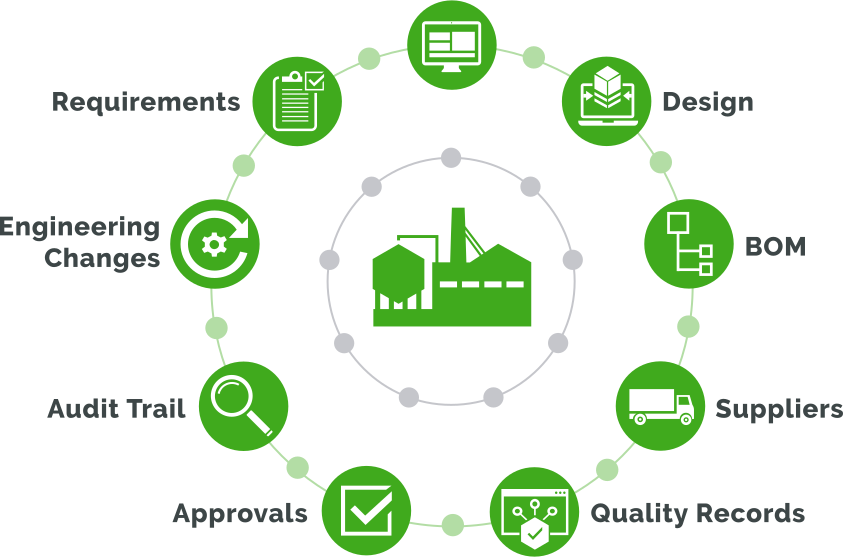
Traceability helps regulated manufacturers maintain controlled records and provide evidence during audits and inspections. It is especially important for companies working under requirements such as FDA 21 CFR Part 11, ISO 13485, and other industry-specific quality standards.
Requirements vary by regulation, but organizations are generally expected to:
With strong traceability, teams can retrieve the information auditors need without having to search across disconnected systems, spreadsheets, or paper files.
Connecting supplier data to product records helps teams track supplier impact, manage shortages, and respond faster when a quality issue or compliance concern arises. This traceability provides visibility into:
Cloud-native product lifecycle management (PLM) and quality management system (QMS) software improve traceability by connecting product, supplier, quality, and approval records in a single system.
Manufacturers that connect PLM and QMS processes can:
Centralized product and quality information gives teams the visibility they need to manage change, reduce risk, and stay prepared for audits.
Traceability in manufacturing is the ability to track product information, components, changes, approvals, and quality records across the product lifecycle. It helps teams understand how a product was designed, built, changed, and maintained.
Auditors often ask manufacturers to show the history of product records, design changes, approvals, and quality activities. Traceability makes that information easier to find and supports documented proof of compliance.
Manufacturers should be able to trace documents, bills of materials (BOMs), engineering change orders (ECOs), supplier records, quality events, corrective and preventive actions (CAPAs), nonconformance reports, training records, electronic signatures, and audit trails.
End-to-end traceability connects product information from requirements and design through engineering changes, supplier management, manufacturing, quality processes, and post-market activities. It gives teams a clear record of how a product evolved and helps them improve quality, streamline audits, and support compliance.


Arena PLM software streamlines product development so you can deliver products under budget and ahead of schedule.

Arena QMS helps you ensure regulatory compliance and faster delivery of life-enhancing products to your customers.