A single cloud-native platform manages both product lifecycle and quality processes by connecting PLM and QMS within one centralized system. Product records, engineering changes, documents, bills of materials (BOMs), quality events, CAPAs, nonconformances, audits, and supplier information are linked through shared workflows and data. Engineering, quality, manufacturing, and supply chain teams work from the same source of truth, improving collaboration and eliminating disconnected processes. This unified approach strengthens traceability, simplifies change management, improves regulatory compliance, and provides complete visibility across the product lifecycle, helping manufacturers develop higher-quality products more efficiently.
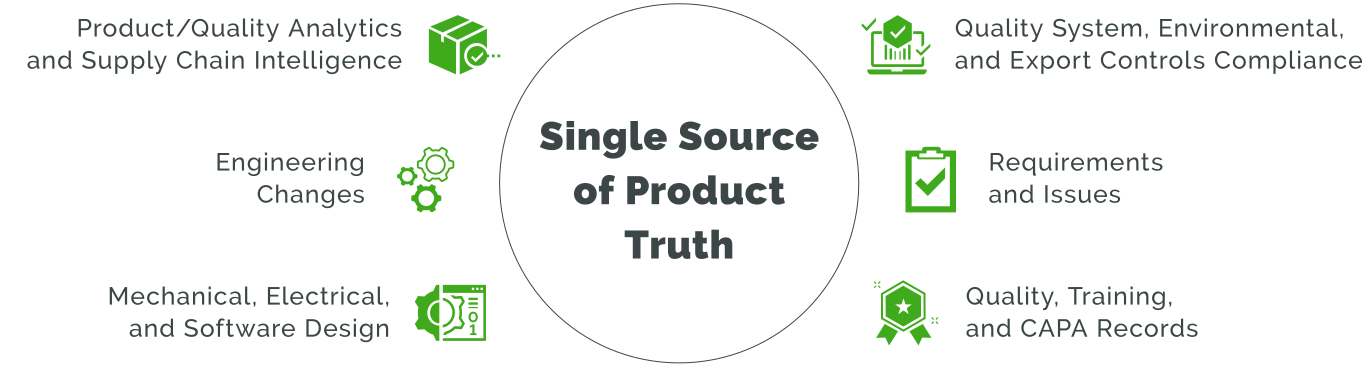
A single PLM and QMS solution manages both product lifecycle and quality processes by connecting product records, quality data, engineering changes, documents, and compliance activities within one cloud-based platform. Instead of relying on separate systems, engineering, quality, manufacturing, and supply chain teams work from the same information, improving collaboration and visibility. This unified approach streamlines change management, strengthens traceability, reduces manual work, supports regulatory compliance, and helps organizations bring higher-quality products to market more efficiently.
For manufacturers in highly regulated industries, managing product lifecycle and quality information in separate systems can create unnecessary complexity. Engineering teams often work within one application while quality teams use another. Product information becomes fragmented, quality processes are disconnected, and compliance suffers.
This challenge is especially common in industries such as medical devices, life sciences, aerospace, and high-tech electronics, where product quality and compliance are directly tied to business success. As companies seek faster product development cycles and stronger quality outcomes, many are moving toward a unified platform that manages both product lifecycle and quality processes in one connected environment. By bringing product lifecycle management (PLM) and quality management processes together, companies can improve collaboration, streamline change processes, strengthen traceability, and gain better visibility across the entire product lifecycle.
Many organizations adopt PLM and quality management system (QMS) solutions at different times and for different purposes. While each system may perform its intended role, the lack of integration often creates inefficiencies.
Common challenges include:
When product and quality information exist in separate systems, teams often spend significant time searching for information, updating records, and coordinating changes across departments. A unified platform helps eliminate these issues by creating a single source of truth for product and quality information that helps demonstrate how complaints, nonconformances, corrective and preventive actions (CAPAs), engineering changes, and product records relate to one another.

Successful product development depends on accurate and accessible information. A connected PLM and QMS solution centralizes critical information, enabling all stakeholders to work from the same records.
This information may include:
Centralized information reduces errors and ensures that every department has access to the most current information. It also provides greater confidence when making product, quality, and business decisions.
Change management is one of the strongest examples of why PLM and quality processes should work together. Product changes can affect multiple areas of the organization, including engineering, manufacturing, quality, compliance, and supply chain. Disconnected systems require teams to manually communicate updates and verify impacts.
A unified solution allows organizations to:
This creates a more efficient process while reducing the risk of missed approvals or undocumented changes. For regulated industries, integrated change management also strengthens compliance and audit readiness.

Traceability is a critical requirement for many manufacturers, particularly those operating in regulated markets. Companies must be able to demonstrate the relationships between:
When PLM and quality systems operate independently, maintaining traceability becomes significantly more difficult. A unified platform helps establish digital connections between these activities, making it easier to demonstrate compliance, investigate issues, and respond to audits.
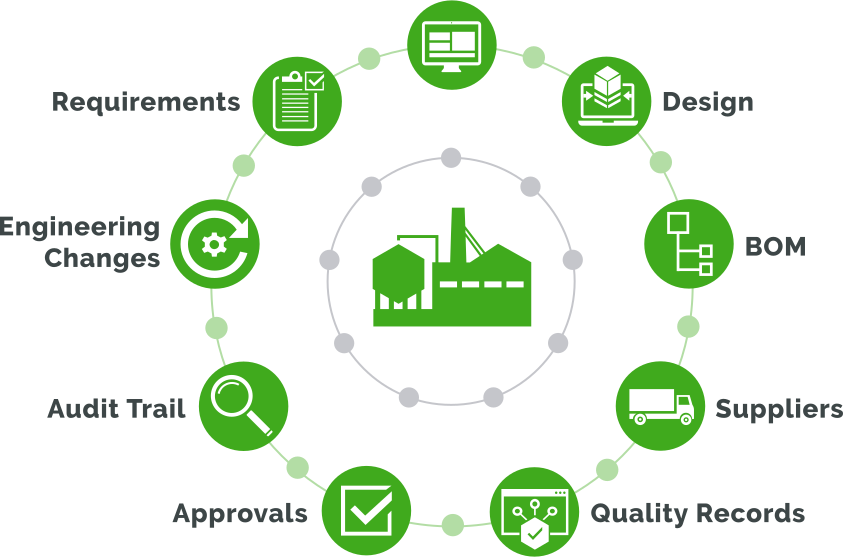
Quality management should not exist separately from product development. Instead, quality should be embedded throughout the lifecycle.
A modern unified solution can support various quality processes, including:
When quality information is connected directly to product information, organizations can identify trends faster and address issues before they become larger problems. This proactive approach improves both product quality and operational performance.
Product development requires contributions from multiple teams. Engineering, quality, operations, supply chain, manufacturing, regulatory affairs, and management play important roles.
A unified solution improves collaboration by providing:
Rather than relying on email chains or disconnected spreadsheets, teams can collaborate within a centralized environment. This helps reduce communication delays and keeps projects moving forward.
Regulatory compliance remains a top priority for manufacturers in life sciences, medical devices, high-tech electronics, aerospace, and other highly regulated industries.
A connected platform helps organizations support compliance efforts through capabilities that include:
These capabilities help create repeatable and documented processes that support regulatory requirements while reducing administrative burden. The result is improved consistency, stronger accountability, and better preparedness for audits and inspections.
Managers need accurate information to manage product development and quality performance effectively. When data is spread across multiple systems, reporting often becomes difficult and time-consuming.
A unified system provides visibility in:
With access to connected information, management can identify risks earlier, allocate resources more effectively, and improve overall business performance.
Arena helps manufacturers connect PLM and quality processes within a cloud-native solution. Instead of managing product information, quality records, supplier data, and change management processes across separate systems, teams can work from one connected environment.
A unified Arena PLM and QMS solution enables organizations:
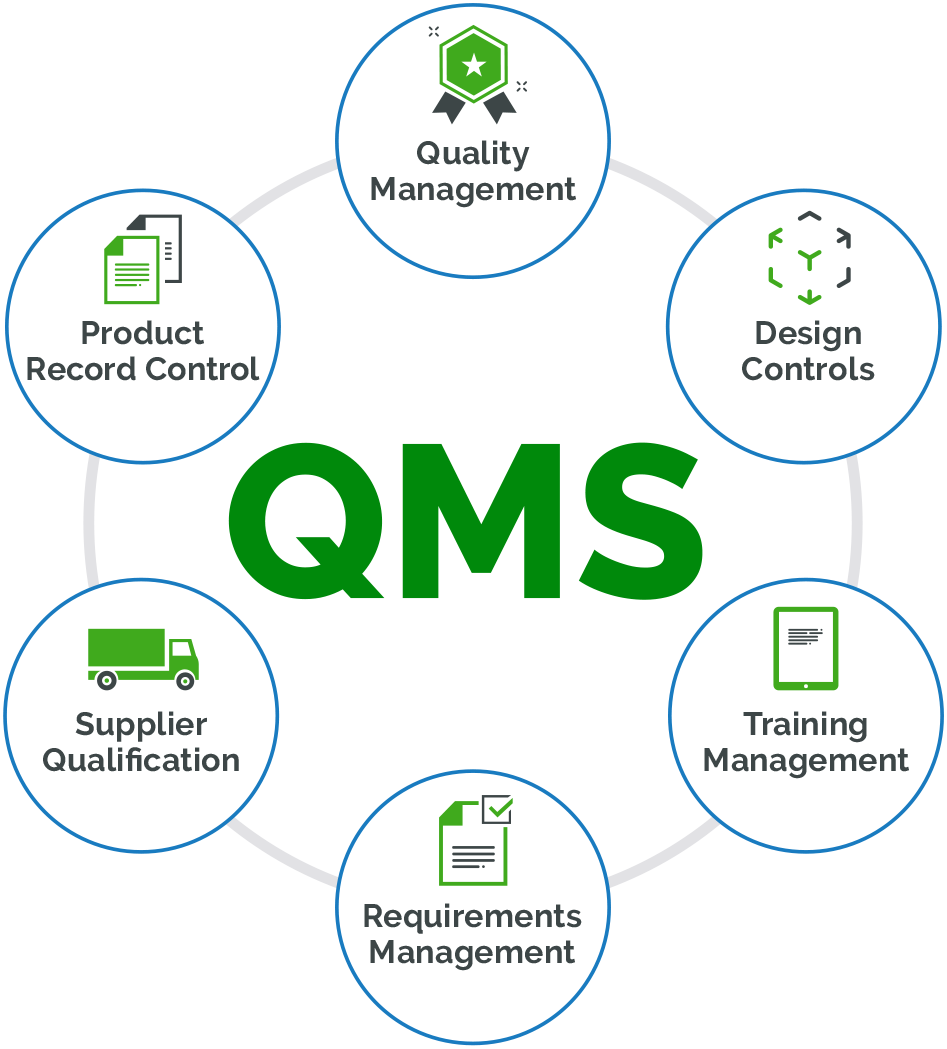
Quality processes such as corrective and preventive action (CAPA), complaint handling, document control, training management, and audit readiness can be directly connected to product development tasks, providing clearer insight throughout the process.
By combining PLM and quality management into a single system, Arena helps organizations reduce manual processes, improve compliance, accelerate product development, and make more informed decisions. For companies looking to strengthen collaboration, change management, compliance, and lifecycle execution, Arena provides a scalable foundation for long-term growth and innovation.
Combining PLM and quality management creates a single source of truth for product and quality records, improves collaboration, strengthens traceability, and reduces the inefficiencies caused by disconnected systems.
A unified platform automates workflows, connects product and quality records, improves visibility, and helps ensure all stakeholders participate in the approval process.
Traceability helps organizations connect requirements, designs, testing, quality activities, and changes. This makes it easier to support compliance and improve decision-making.
Yes. Organizations can manage supplier information, corrective actions, audits, approved vendors, and performance metrics within the same system used for product development.
Arena connects product data, quality processes, supplier collaboration, and change management within a cloud-native solution that helps companies improve visibility, accelerate development, and maintain compliance throughout the product lifecycle.





Arena PLM software streamlines product development so you can deliver products under budget and ahead of schedule.
Arena QMS helps you ensure regulatory compliance and faster delivery of life-enhancing products to your customers.